




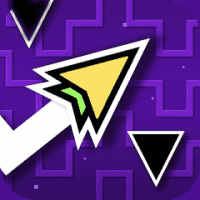


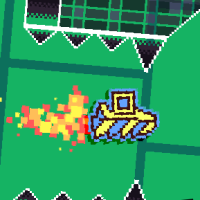
.jpg "Geometry Dash Spider")
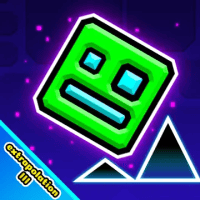

Geometry Dash
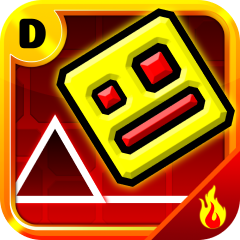
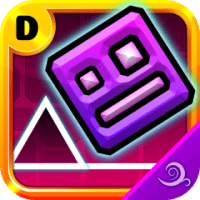
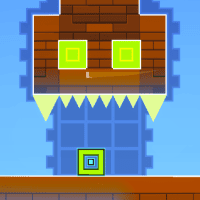
Geometry Dash is a fast-paced platformer featuring neon cubes that move forward through environments that change color in sync with the music's beat.
The Core Gameplay Experience
Geometry Dash has become famous for turning simple mechanics into deeply engaging challenges.
One-Touch Controls With Surprising Depth
One of the defining characteristics of Geometry Dash is its accessibility. Players only need a single input to control the character. On mobile devices, a screen tap performs actions such as jumping or flying. On PC, players can use a mouse click or keyboard input. Despite this simplicity, the gameplay quickly becomes demanding. Players must react to:
- Spikes
- Walls
- Narrow gaps
- Moving hazards
- Sudden transitions
The challenge comes from precise timing rather than complex controls.
Learning Through Repetition
Every failed attempt provides valuable information. As players progress, they gradually memorize obstacle patterns, portal locations, and timing sequences. This process creates a rewarding learning curve where improvement feels earned rather than random. Many players find that overcoming a difficult level delivers a strong sense of accomplishment because success is based entirely on skill development.
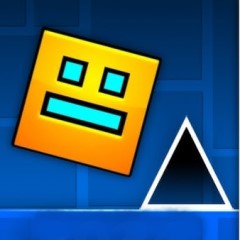
Neon cubes to move forward through environments
Music-Synced Gameplay: The Heart of Geometry Dash
One feature that separates Geometry Dash from traditional platform games is its relationship with music.
Levels Designed Around Rhythm
Every level is synchronized with its soundtrack. Obstacles, jumps, and visual effects often align with musical beats, creating a seamless connection between gameplay and audio. This synchronization allows players to use rhythm as an additional tool for navigation. Experienced players often anticipate upcoming obstacles based on the music itself.
Why Music Improves Gameplay
The soundtrack serves multiple purposes. It enhances immersion while also helping players develop consistent timing. Benefits of rhythm-based design include:
- Improved gameplay flow
- Better memorization
- Stronger engagement
- Increased replay value
The connection between sound and action is one of the reasons Geometry Dash remains so addictive.
How Difficulty Progression Works
Geometry Dash is known for its carefully structured difficulty system.
Levels Become Increasingly Challenging
As players advance, the game's levels introduce faster speeds, more complex obstacle patterns, additional portals, and tighter timing windows. Difficulty indicators help communicate the challenge level before entering a stage, often using expressive icons that visually represent the stage's intensity. This progression keeps players encountering new challenges while steadily improving their skills.
Skill Development Over Time
Success in Geometry Dash depends on several abilities:
- Reaction speed
- Timing accuracy
- Pattern recognition
- Memory
- Consistency
The game gradually encourages players to strengthen each of these skills.
Because improvement occurs naturally through gameplay, the progression feels satisfying and rewarding.
Understanding Transporters: Pads and Orbs
Transporters are among the most important gameplay elements in Geometry Dash. They allow players to alter movement patterns and access new pathways.
What Are Pads?
Pads automatically activate when the player's icon touches them, launching the character in specific directions based on the pad type. Each pad emits color-matched visual effects that make its function easy to recognize. Pads can increase jump height, redirect movement, create momentum changes, and assist navigation, so because activation happens automatically, players must anticipate and prepare for these effects before contact.
What Are Orbs?
Unlike pads, orbs require player interaction. Touching an orb alone is not enough. Players must click or tap while passing through the orb to activate its effect. This mechanic adds another layer of skill because players must decide whether or not to trigger the orb. Proper orb usage often determines whether a player survives a difficult sequence.
Strategic Use of Transporters
Not every transporter should be activated. Some levels intentionally place pads and orbs in positions that can redirect players into hazards. As a result, players must learn:
- Which transporters to use
- Which transporters to avoid
- The timing required for activation
This decision-making process increases gameplay depth significantly.
The Role of Portals in Geometry Dash
Portals are another essential mechanic that keeps gameplay dynamic and unpredictable.
Form Portals
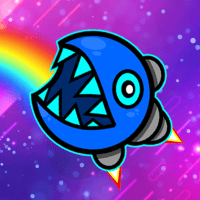
Form portals transform the player's character into different gameplay forms. Possible transformations include:
- Cube
- Ship
- Ball
- UFO
- Wave
- Robot
- Spider
Each form introduces unique movement mechanics and challenges. Players must adapt quickly whenever a transformation occurs.
Gravity Portals
Gravity portals reverse the direction of gravity. After passing through one, players may find themselves running on ceilings instead of floors. This mechanic forces players to rethink timing and positioning.
Size Portals
Size portals alter the character's scale. Mini forms often require more precise movement because of tighter spaces and faster reactions. Large forms may behave differently and affect obstacle navigation.
Speed Portals
Speed portals change the pace of gameplay. Depending on the portal type, movement may become:
- Faster
- Slower
- More intense
- More demanding
Adjusting quickly to speed changes is a key skill for advanced players.
Dual Portals
Dual portals create one of the game's most challenging mechanics. After entering a dual portal, players control two characters simultaneously. Both characters perform the same actions but often travel along separate paths. This mechanic tests:
- Coordination
- Focus
- Spatial awareness
- Timing
Dual gameplay sections are often among the most memorable moments in Geometry Dash levels.
Visual Design and Recognizable Style
Geometry Dash features a distinctive visual identity that has become instantly recognizable.
Bright Colors and Geometric Shapes
The game's environments are built around neon colors, geometric patterns, minimalist artwork, and dynamic visual effects. This design philosophy creates strong visual clarity while still maintaining an energetic atmosphere.
Visual Feedback Supports Gameplay
Many game elements use color-coded effects to communicate functionality. Players can quickly identify:
- Pads
- Orbs
- Portals
- Hazards
This visual consistency improves readability and helps players react more effectively.
Why Geometry Dash Remains Popular
Years after its release, Geometry Dash continues to attract players around the world.
Accessible Yet Challenging
Few games balance accessibility and difficulty as effectively. New players can understand the basics within minutes, while experienced players can spend hundreds of hours mastering advanced levels.
Constant Sense of Progress
Every attempt contributes to improvement. Even failed runs often result in valuable learning experiences. This progression system encourages players to keep trying.
Tactics for New Players
Players looking to improve can benefit from several practical strategies.
Focus on Consistency
Rather than rushing through levels, prioritize clean and controlled movement. Consistency often produces better results than aggressive play.
Learn the Music
The soundtrack provides important timing cues. Listening carefully can improve jump accuracy and obstacle anticipation.
Practice Difficult Sections
Repeating challenging segments helps build muscle memory and confidence. Over time, previously difficult sections become much easier to navigate.
Conclusion
In conclusion, Geometry Dash remains one of the most successful rhythm platformers ever created because it combines simple controls with extraordinary depth. The music-synchronized gameplay, carefully designed obstacle courses, transporter mechanics, and portal-based transformations create an experience that is both accessible and endlessly challenging. Whether navigating spikes as a cube, mastering gravity shifts, activating orbs with perfect timing, or controlling dual characters through complex pathways, players are constantly encouraged to improve their skills. The game's bright visual style, energetic soundtrack, and rewarding progression loop continue to attract new players while keeping longtime fans engaged.