










.jpg "Geometry Dash Spider")
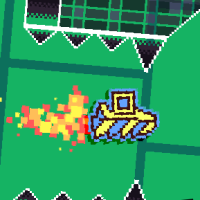



Dash Kit
What Is Dash Kit?
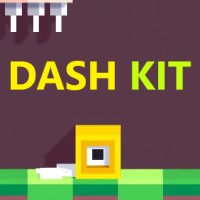
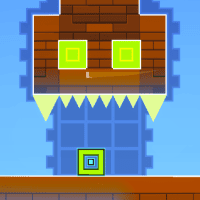
Dash Kit is a reflex-based adventure game where players guide a yellow cube. Evade an increasingly dangerous obstacle course and travel as far as possible.
This game was developed by Fancade, who is also the creator of Roper and Truck Driving. Inspired by Geometry Dash, the challenge in this game quickly becomes apparent once the cube begins moving automatically. Since the character never stops, every jump must be carefully timed. A single mistake immediately ends the run, forcing players to start over and learn from previous attempts. Dash Kit focuses on jumping. This design philosophy creates a gameplay experience that's easy to understand but surprisingly difficult to master. The game's difficulty gradually increases as players progress, introducing more complex platform arrangements, tighter spaces, invisible platforms, and dangerous spike traps that require constant concentration.
Your mission in Dash Kit Game
The gameplay in Dash Kit revolves around precision and rhythm. Because the yellow cube automatically moves forward, players only need to control one action: jumping. This seemingly simple mechanic creates endless opportunities for skill development.
Automatic Movement Creates Constant Pressure
The cube never slows down or waits for player input. Every second introduces new obstacles, forcing players to react instantly. This constant forward momentum creates an exciting sense of urgency that keeps every run engaging. Players cannot pause to analyze each obstacle individually—they must read the environment while continuously moving. As the distance increases, the level design becomes more demanding, requiring split-second decisions and accurate timing.
Avoid Deadly Spike Traps
Spike traps represent the primary danger throughout Dash Kit. These hazards instantly end your run upon contact, making every jump incredibly important. Some spikes appear alone, while others are combined with narrow platforms or difficult landing zones that test your precision. Learning the spacing between obstacles becomes one of the most valuable skills for long-term success.
Invisible Platforms Add an Extra Challenge
One of Dash Kit's most distinctive mechanics is its invisible platforms. Unlike ordinary platforms, these surfaces are only safe when they become visible. Jumping toward an invisible platform too early may cause the cube to fall directly into danger. This mechanic forces players to pay close attention to environmental cues rather than relying solely on muscle memory. Instead of reacting automatically, experienced players learn to observe platform visibility before committing to each jump.
Yellow Jump Orbs in Dash Kit
Among the most important gameplay mechanics in Dash Kit are the yellow jump orbs. These special objects significantly influence movement and often determine whether a run continues or ends.
How Yellow Jump Orbs Work
When activated, yellow jump orbs launch the cube into a much higher jump than normal. This additional height allows players to:
- Reach elevated platforms.
- Clear larger spike formations.
- Cross wider gaps.
- Navigate advanced sections of the course.
Without using these orbs correctly, many obstacles simply cannot be overcome.
When You Should Avoid Jump Orbs
Despite their usefulness, yellow jump orbs aren't always beneficial. Activating an orb at the wrong moment can:
- Launch the cube directly into spikes.
- Cause an overshoot beyond the intended platform.
- Disrupt your rhythm.
- Lead to awkward landings.
One of the biggest mistakes beginners make is assuming every orb should be activated. Experienced players know that sometimes ignoring an orb is actually the safer decision. Understanding when not to use an orb is just as important as knowing when to activate one.
How to control: Left click = Jump.
Best Strategies to Improve Your Dash Kit Performance
Improving in Dash Kit isn't about luck. Long runs come from recognizing patterns, making smart decisions, and remaining calm under pressure.
Look Ahead Instead of Watching the Cube
Many beginners focus exclusively on the cube itself. Advanced players instead watch the upcoming terrain. Looking further ahead provides valuable reaction time and helps prepare for:
- Incoming spikes
- Invisible platforms
- Jump orb placement
- Difficult landing zones
Developing this habit significantly improves consistency.
Practice Pattern Recognition
Although Dash Kit feels fast and unpredictable, many obstacle arrangements become familiar over time. Repeated practice allows players to memorize:
- Jump timing
- Platform spacing
- Orb placement
- Hazard sequences
As your familiarity increases, your reactions become more instinctive, allowing you to survive longer with greater confidence.
Stay Calm During Difficult Sections
Panic is one of the biggest reasons players fail. When obstacles become more frequent, many players begin pressing the jump button too quickly. Instead, maintain a steady rhythm and continue evaluating each obstacle individually. Remaining calm often leads to better timing and fewer unnecessary mistakes.
Only Land on Visible Platforms
Invisible platforms are designed to punish impatient players. Always verify that a platform has appeared before committing to a landing. Even if you know its location, jumping before it becomes visible almost always results in failure. Patience is often rewarded far more than speed.
Final Thoughts
Dash Kit demonstrates that an excellent platform game doesn't require complicated mechanics or flashy visuals. By focusing on precise jumping, automatic movement, and intelligent level design, it delivers an experience that's both accessible and deeply rewarding. The combination of deadly spike traps, disappearing platforms, and carefully placed yellow jump orbs ensures that every run feels unique and exciting. Success depends entirely on player skill, observation, and timing, making each new distance record genuinely satisfying. Whether you're new to reflex platform games or an experienced player looking for your next challenge, Dash Kit offers a fast-paced adventure that rewards patience, concentration, and continuous improvement. Every jump is a decision, every obstacle is a lesson, and every successful run proves that mastery comes through practice.